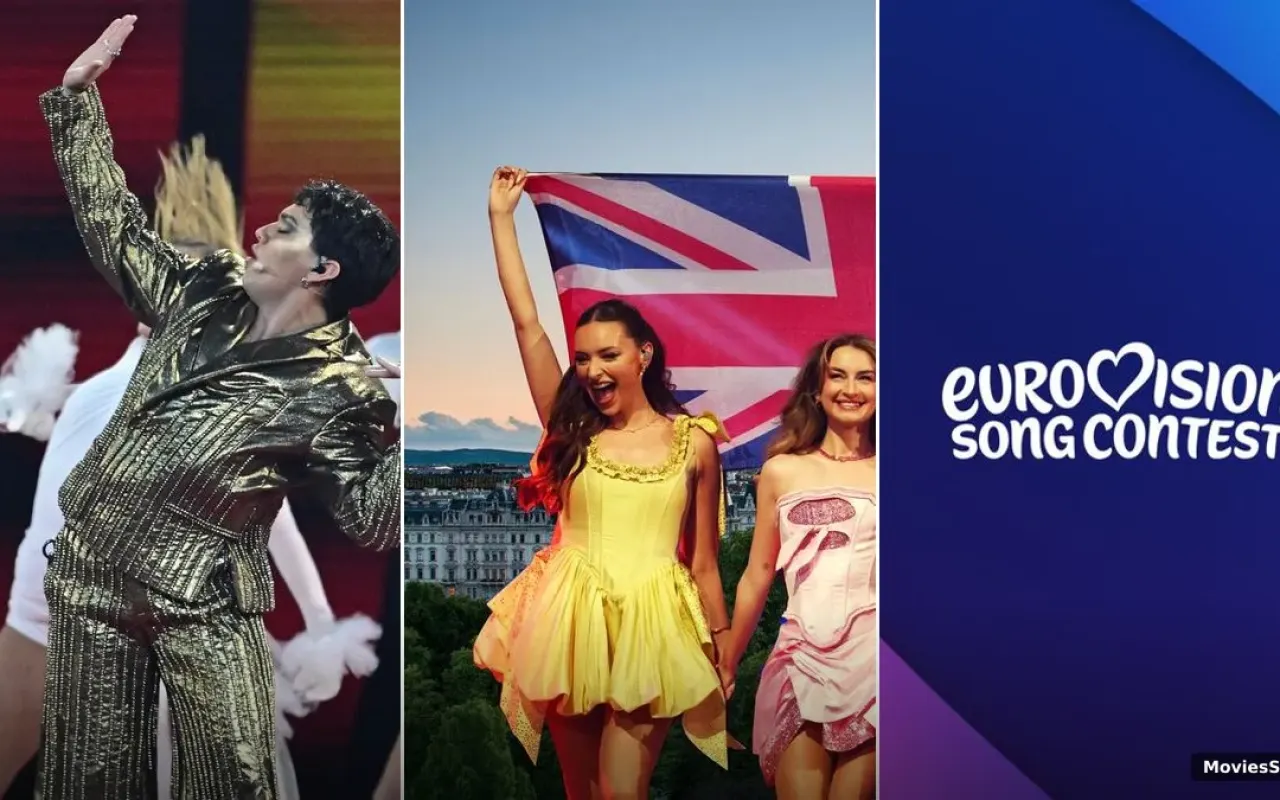
The glitter has settled over the Wiener Stadthalle, the last of the "douze points" have been screamed into the Viennese night, and the 70th edition of the world’s biggest musical fever dream is officially in the books. If you were looking for a quiet, predictable anniversary year, you clearly haven't been paying attention to the chaotic energy of the 2020s. The Eurovision 2026 results are in, and they have delivered a first-time winner that nobody—and yet somehow everybody—saw coming.
The winner of the 70th Eurovision Song Contest in 2026 was Dara from Bulgaria with the song 'Bangaranga'. She earned a total of 516 points, marking Bulgaria's first-ever victory in the competition's history. It was a night defined by a massive "high-low" cultural collision, where classical Viennese elegance met the earth-shaking bass of modern hyperpop.
The Grand Final Recap: How Bulgaria Took the Crown
Coming into the final, the narrative was fractured. We had the polished power ballads of Australia, the "too sexy" rock of Norway, and the intense political shadow of the Israel Eurovision 2026 controversy. But when Dara stepped onto the stage, the vibe shifted. Bulgaria didn't just perform; they staged a 3-minute exorcism that blended traditional folk elements with a "nonsensical typhoon" of tropical pop.
Dara’s performance was arguably the most technically complex of the night. While the 2025 winner, JJ, used a "Sailing Boat" stage design to navigate a "stormy ocean," Dara’s team utilized the Wiener Stadthalle’s 28-camera rig to create a claustrophobic, high-energy masterpiece. The staging featured dancers in plastic chairs twitching to a frantic tempo—a visual representation of the Bangaranga lyrics, which derive from Jamaican patois meaning "a joyful kind of disorder."
The public vote was where the real drama lived. While the national juries were initially split between the vocal perfection of Australia’s Delta Goodrem and the operatic R&B of France’s Monroe, the televoting results swung violently toward Bulgaria. When the final points were tallied, Dara stood at the top with 516 points, finally bringing the trophy to Sofia after decades of "close but no cigar" finishes.
Eurovision 2026 Points Table: The Full Scoreboard
The Eurovision 2026 points table reveals a fascinating divide between professional critics and the people at home. This year’s "split results" show that while the juries appreciated the technical difficulty of the entries, the public was looking for raw energy and, in some cases, political statements.
- 1st Place: Bulgaria (Dara - 'Bangaranga') – 516 points
- 2nd Place: Israel (Noam Bettan - 'Michelle') – 343 points
- 3rd Place: Romania (Alexandra Căpitănescu - 'Choke Me') – 312 points
- 4th Place: Australia (Delta Goodrem - 'Eclipse') – 298 points
- 5th Place: Italy – 275 points
- 6th Place: Finland (Pete Parkkonen & Linda Lampenius - 'Liekinheitin') – 261 points
- 7th Place: Greece (Akylas - 'Ferto') – 244 points
- 8th Place: Ukraine (Leleka - 'Ridnym') – 230 points
- 9th Place: Sweden (Felicia - 'My System') – 212 points
- 10th Place: France (Monroe - 'Regarde!') – 198 points
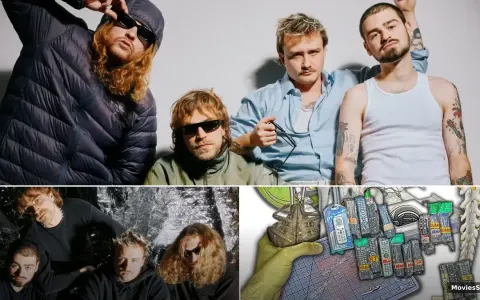
The wild part? The United Kingdom's Sam Battle (aka Look Mum No Computer) finished in dead last with exactly 1 point. Despite a kooky performance of "Eins, Zwei, Drei" played on a DIY synthesizer, the "Marmite" effect leaned heavily toward "hate" this year. On the flip side, Israel managed a second-place finish despite a massive 5-nation boycott, largely fueled by a concentrated surge in the public vote, where they reportedly secured over 25% of the total available televote points in several key regions.
The Controversy: Protests and Boycotts in Vienna
You can't talk about the Eurovision 2026 results without addressing the elephant in the room. This was the most politically charged contest in recent memory. Five countries—Ireland, Spain, the Netherlands, Slovenia, and Iceland—officially boycotted the event in protest of Israel’s participation. This left the EBU (European Broadcasting Union) in a defensive crouch all week, insisting the contest remains "non-political" while the Wiener Rathausplatz was filled with protesters.
Inside the arena, the atmosphere was a mix of tension and celebration. Noam Bettan, representing Israel with the ballad "Michelle," was met with a wall of sound that was half-cheers, half-boos. Bettan later admitted to practicing under "booing tracks" to prepare for the moment. While the EBU tried to filter the audio for the Peacock streaming and global broadcasts, the tension was palpable. Four protesters were removed during the first semi-final, and security at the Eurovision Village was at an all-time high after bad weather and political unrest forced a temporary evacuation earlier in the week.
The economic impact on Vienna was also a talking point. The city reportedly spent upwards of €35 million on production costs, a figure they hoped to recoup through the influx of fans. While bar sales at the fountain-side pop-ups were record-breaking, the "big gay stag night" vibe (as one fan described it) was occasionally dampened by the heavy police presence and the rainy start to the week.
Behind the Winning Song: The Meaning of 'Bangaranga'
So, what actually is a "Bangaranga"? Beyond the infectious hyperpop beat, Dara has explained that the song is deeply personal. It’s a track about the "mask of perfection" and her own battles with anxiety, hidden behind a wall of sound. The most striking visual element was the inclusion of the kukeri ritual—traditional Bulgarian costumed men meant to scare away evil spirits. By blending these ancient pagan vibes with a futuristic sound, Bulgaria managed to create something that felt both grounded and totally "online."
Music producers have noted that 'Bangaranga' is the peak of the "hyperpop" trend that has been bubbling under the surface of Eurovision for years. It’s fast, it’s loud, and it refuses to stay in one genre for more than thirty seconds. Compared to the "safe" polished pop of Australia or the metalcore screams of Serbia’s Lavina, Bulgaria offered a vision of what the next decade of pop music might actually sound like.
Eurovision 2027: Bulgaria as the Next Host
The big question now is: where are we going next year? As the Eurovision 2026 winner, Bulgaria has the right to host, and the Eurovision 2027 host rumors are already flying. While Sofia is the obvious choice with its infrastructure and large arenas, there is a growing movement to bring the contest to Plovdiv, the country’s cultural capital, to showcase a different side of the nation.
Martin Österdahl, the EBU Executive Supervisor, has been non-committal about the logistics, but the "Bulgaria 2027" hype is real. Fans are already speculating if the boycotting nations—like Ireland and the Netherlands—will return now that the 70th-anniversary drama has peaked. For now, the "capital of music" title passes from Vienna to a new home in the Balkans.
Key Takeaways
- Bulgaria's Historic Win: Dara scored 516 points with 'Bangaranga,' securing the country's first-ever win.
- The Israel Factor: Despite a 5-country boycott and protests at the Eurovision Village, Israel finished 2nd, largely due to public televoting.
- UK Heartbreak: Sam Battle finished last with 1 point, proving that "Marmite" entries are a high-risk gamble.
- Production Specs: The show featured a 42-second stage turnaround time and a 28-camera setup at the Wiener Stadthalle.
- 2027 Outlook: The contest moves to Bulgaria, with Sofia and Plovdiv as the primary Eurovision 2027 host city contenders.
Ultimately, Eurovision 2026 was a reminder that the contest is never just about the music. It’s a mirror held up to Europe—messy, loud, divided, but occasionally capable of coming together for a 3-minute hyperpop masterpiece. Whether the "joyful disorder" of Bulgaria carries over into 2027 remains to be seen, but for now, Dara is the queen of the continent.