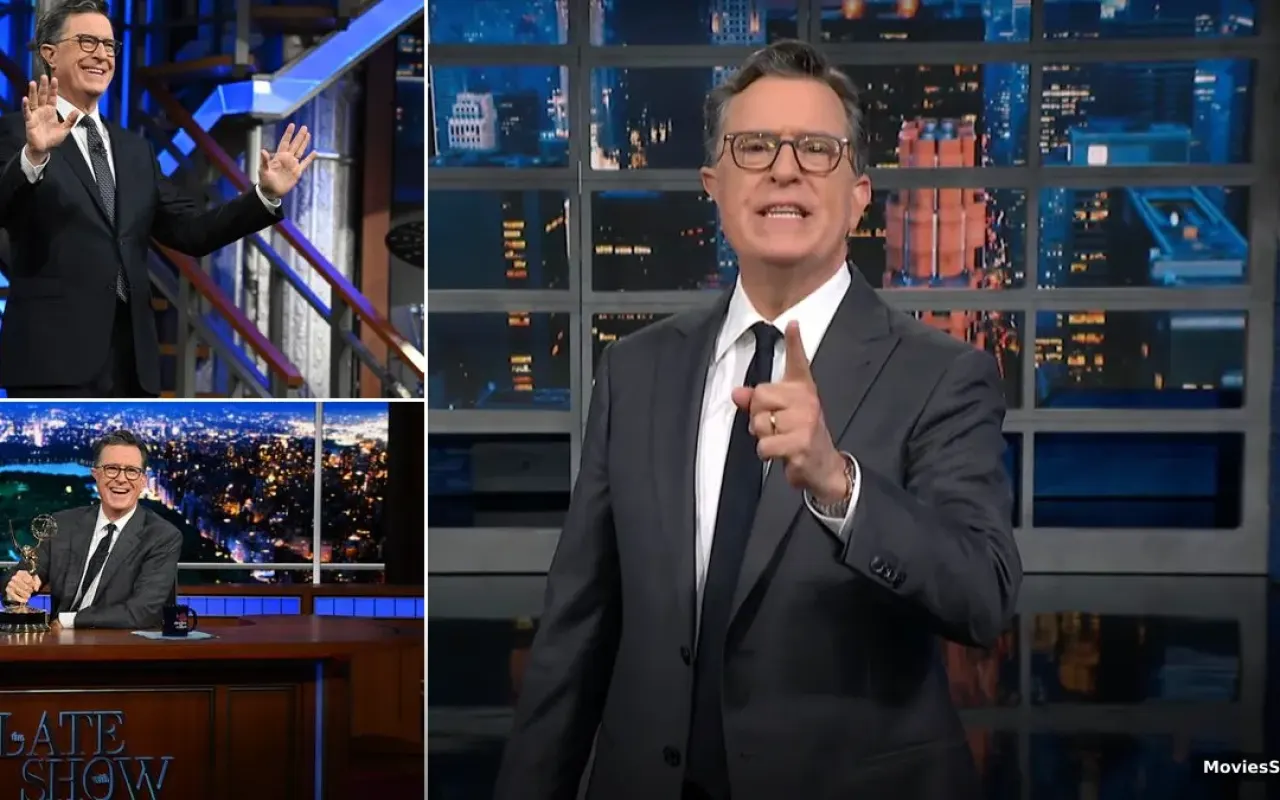
In July 2025, the television landscape shifted when CBS announced the Stephen Colbert Late Show cancellation, confirming that the long-running franchise would conclude its historic run on May 21, 2026. For over a decade, Colbert has been the cornerstone of CBS’s late-night strategy, occupying the hallowed Ed Sullivan Theater where David Letterman once reigned. However, as the final curtain approaches, the narrative surrounding the show’s end has evolved from a simple business decision into a complex web of political tension, regulatory maneuvering, and the shifting economics of broadcast television.
Why was Stephen Colbert's Late Show canceled?
The Late Show with Stephen Colbert was canceled by CBS for what the network described as 'purely financial reasons' amid declining broadcast revenue and the Paramount-Skydance merger. However, Colbert and critics have noted the 'fishy' timing, as the cancellation followed the network's $16 million settlement with Donald Trump and increased regulatory pressure from the FCC.
The 'Fishy' Timing: Stephen Colbert Late Show Cancellation and the Trump Factor
While CBS executives George Cheeks, Amy Reisenbach, and David Staph have maintained that the decision was strictly a matter of dollars and cents, the timeline of the Stephen Colbert Late Show cancellation suggests a more intricate story. Just days before the announcement, Paramount—CBS's parent company—settled a contentious $16 million lawsuit with Donald Trump. The lawsuit centered on a 60 Minutes interview with Kamala Harris, which the Trump administration claimed was edited unfairly.
The settlement arrived at a critical juncture: Paramount was in the final stages of the Skydance Media merger, a multibillion-dollar deal that required approval from the Federal Communications Commission (FCC). Industry insiders have pointed to the influence of Brendan Carr, an FCC commissioner known for his scrutiny of how broadcast networks handle political content. Carr has been vocal about the equal time rule, even clashing with Colbert previously when the host was advised against airing an interview with a Democratic Senate candidate to avoid triggering regulatory requirements.
Colbert himself has been candid about the suspicious nature of the timing. Speaking on the matter, he noted that "something changed" in the executive suite. In 2023, the network was eager for him to sign a five-year extension. Colbert, perhaps sensing the shifting tides, opted for a three-year deal instead. The network then pulled the plug just two years into that contract. "The network did it to themselves by bending the knee to the Trump administration over a $20 billion, settled for $16 million, completely frivolous lawsuit," Colbert remarked, acknowledging that while the financial strain on broadcast TV is real, the political optics remain "fishy."
Economic Realities: Why the Stephen Colbert Late Show Cancellation Signals the End of an Era
Beyond the political theater, the Stephen Colbert Late Show cancellation serves as a late-night TV industry death knell. The financial model that sustained the 11:35 PM time slot for decades is fracturing. Reports indicate that The Late Show cost approximately $40 million annually to produce—a figure that has become increasingly difficult to justify as broadcast television revenue continues to migrate toward digital platforms like YouTube and TikTok.
The Paramount Global cost-cutting 2026 initiative is a direct result of the Skydance Media merger, which was finalized in August. New leadership is focused on lean operations, and the high overhead of a daily variety show in the Ed Sullivan Theater no longer fits the balance sheet. Unlike previous transitions—such as the Colbert vs Letterman succession legacy—CBS has no plans to replace Colbert with a new host. Instead, the "Late Show" brand is expected to be retired entirely, marking the first time since 1993 that the network will not have a flagship program under that title.
- Production Costs: High salaries for writers and producers like Paul Dinello and manager James Baby Doll Dixon.
- Ad Revenue: A steady decline in traditional commercial slots as viewers switch to clip-based consumption.
- Regulatory Risk: The political satire regulatory risk posed by anti-authoritarian comedy in an era of heightened FCC oversight.
From the Ed Sullivan Theater to Middle-earth: Colbert’s Next Act
While the Stephen Colbert Late Show cancellation marks the end of his nightly monologue, it is far from the end of his creative output. Colbert is already pivoting to a project that aligns with his well-known passion for J.R.R. Tolkien’s legendarium. He is currently co-writing a new Colbert Lord of the Rings movie titled The Shadow of the Past.
This is not a mere hobbyist project. Colbert is collaborating with Philippa Boyens, the Academy Award-winning screenwriter behind the original Lord of the Rings trilogy, and Peter McGee. Unlike the Stephen Colbert Uncle Cops project—which remains a popular recurring sketch featuring John C. Reilly—the Shadow of the Past movie is a legitimate cinematic venture. While a firm release window has yet to be announced, fans expect a 2027 or 2028 debut, as the project is currently in the early development phase with Warner Bros.
In addition to his foray into Middle-earth, Colbert has explored the following ventures:
- Podcasting: Colbert has expressed interest in the freedom of the podcast format, recently consulting with industry leaders about launching a long-form interview series.
- Acting: He has already filmed a guest appearance on the CBS series Elsbeth, playing a fictionalized late-night host named Scotty Bristol.
- Production: Through his production company, he remains a prolific creator of animated and scripted content.
The Impact on the Writers Guild and Late-Night Staff
The Stephen Colbert Late Show cancellation is not just a loss for the host, but a significant blow to the creative community in New York City. The Writer’s Guild has expressed concern over the shrinking number of late-night writing jobs, which have traditionally served as a pipeline for comedic talent. When the show ends on May 21, hundreds of staffers—from camera operators to researchers—will be out of work. This move follows a broader trend in the industry, where networks are replacing high-cost variety shows with cheaper, unscripted content or repeats.
The Legacy of Anti-Authoritarian Comedy
Colbert’s tenure has been defined by his willingness to challenge "principalities and powers." He has consistently rejected the "partisan" label, arguing that his critiques of Donald Trump are based on a defense of democratic norms rather than party loyalty. "Authoritarians don’t like anybody who doesn’t give them undue dignity," Colbert told the New York Times. "Comedians are anti-authoritarian by nature."
This stance made him a target for the current administration and its allies. The Stephen Colbert CBS Trump lawsuit environment created a "roughing the ref" dynamic, where the network felt the heat of regulatory pressure. As Bari Weiss and other figures move into influential roles within the revamped CBS News and Paramount structure, the departure of a voice like Colbert’s signals a shift toward a more "neutral" or compliant broadcast environment.
Key Takeaways: The End of The Late Show
- Final Episode: The series finale is scheduled for May 21, 2026.
- The "Something Changed" Factor: Colbert revealed that CBS rescinded a 5-year contract offer in favor of a shorter deal before ultimately canceling the show.
- The Merger Connection: The Skydance Media merger and the need for FCC approval from Brendan Carr likely influenced the timing of the cancellation.
- Financial Justification: CBS cites high production costs ($40M+) and declining ad revenue as the primary drivers.
- Future Projects: Colbert is co-writing the film Lord of the Rings: Shadow of the Past with Philippa Boyens.
- Brand Retirement: CBS is expected to retire The Late Show brand entirely rather than hiring a new host.
Conclusion: A Graceful Exit Amidst Turbulence
Despite the "fishy" circumstances, Stephen Colbert remains remarkably composed. He has expressed more gratitude for his 21-year association with CBS than anger over the "rug-pull" cancellation. His departure marks the end of an era for the Ed Sullivan Theater and the 11:35 PM time slot, leaving a void that broadcast television may never truly fill. As he trades his desk for a screenwriter’s pen in Middle-earth, the Stephen Colbert Late Show cancellation will be remembered as the moment the old guard of late-night television finally gave way to the pressures of the digital age and political reality.