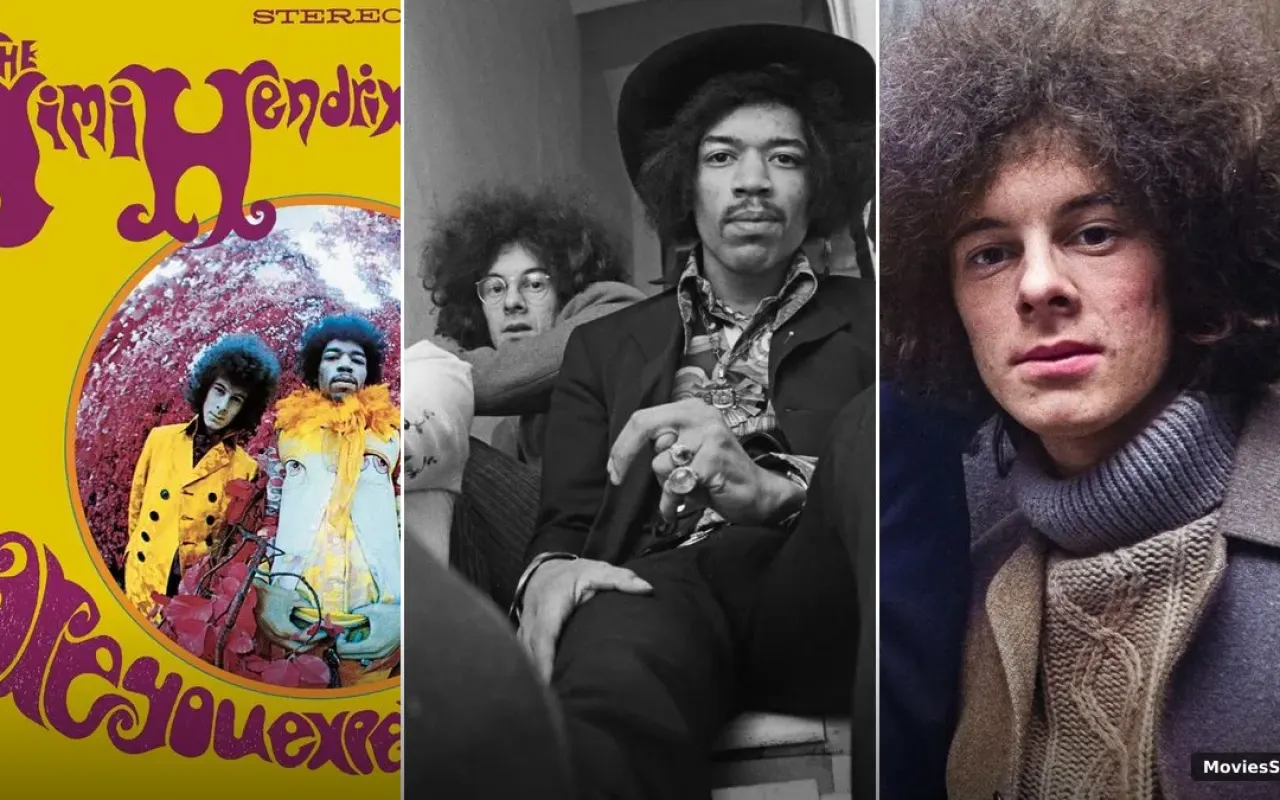
The music industry breathed a collective sigh of relief this week as the Jimi Hendrix Experience lawsuit reached a definitive conclusion in the High Court of London. In a sweeping 140-page judgment, Justice Edwin Johnson dismissed claims brought by the estates of bassist Noel Redding and drummer Mitch Mitchell, who sought a share of the copyrights and performers' property rights for the band’s iconic 1960s recordings. The ruling not only safeguards Sony Music’s control over the Hendrix catalog but also prevents a potential "chaos" of similar retrospective claims from session musicians across the globe.
The Verdict: Why the Redding and Mitchell Estates Lost
The estates of Noel Redding and Mitch Mitchell lost their legal battle against Sony Music because the London High Court ruled they had signed away their rights in a 'clear and unequivocal' 1966 recording agreement. Justice Edwin Johnson determined that the contract granted full copyright to the producers, with no temporal or territorial limits, and that subsequent 1970s settlements barred further claims.
At the heart of the Sony Music Hendrix ruling was the interpretation of a contract signed nearly 60 years ago. The claimants argued that modern digital delivery methods, specifically streaming, could not have been contemplated in 1966 and therefore should fall under modern performers' property rights. However, the court found that the language used by the parties at the time was broad enough to encompass all future technologies. Justice Johnson noted that while the terms might be viewed as "unfair" by modern standards, the court’s duty was to "construe the recording agreement as it was entered into."
The 1966 Recording Agreement: A Clause-by-Clause Breakdown
The 1966 recording agreement was the primary weapon in Sony's defense. This contract was originally brokered between the band members and producers Chas Chandler (the former bassist for The Animals) and Michael Jeffrey. Under the terms of this deal, the producers were granted the "copyright throughout the world" for all sound recordings produced during the term of the agreement.
Key technical aspects of the ruling include:
- No Temporal Limits: The contract did not specify an expiration date for the transfer of rights, meaning the producers (and their successors) held them in perpetuity.
- Territorial Scope: The grant was "worldwide," leaving no room for the estates to claim rights in specific jurisdictions like the UK or Europe.
- The 1956 Copyright Act: Because the recordings for Are You Experienced, Axis: Bold as Love, and Electric Ladyland were made in the late 60s, they were governed by the 1956 Act, which provided fewer inherent protections for performers compared to the 1988 Act.
This Mitch Mitchell copyright battle highlighted a common "legacy artist contract loophole." In the 1960s, it was standard practice for producers or labels to own the master recordings entirely, leaving musicians with small royalty percentages that were often easily signed away during later disputes.
The 'Chaos' Averted: Precedent for the Music Industry
Sony Music warned the court that a victory for the Redding and Mitchell estates would have triggered a "slew of lawsuits" from legacy artists and session musicians. If the court had ruled that 1960s contracts did not cover Jimi Hendrix streaming rights, it would have opened the door for every backing vocalist and session player from that era to demand equitable remuneration—a specific UK legal concept that ensures performers receive a share of income when their recordings are played in public or broadcast.
This case mirrors other recent industry battles. For instance, members of The Police and the estate of Badfinger have faced similar hurdles when challenging decades-old agreements. By upholding the "chain of title" from the original producers to Experience Hendrix LLC (the family-run company headed by Janie Hendrix), the court reinforced the stability of music catalog valuation 2026 projections. Investors and labels can now feel more secure that "clear and comprehensive" agreements will be honored, even as technology evolves.
The Human Cost: Legacy, Poverty, and the 1970s Settlements
One of the most poignant arguments raised by Simon Malynicz KC, representing the estates, was that Redding and Mitchell "died in relative poverty" while the Hendrix estate continued to generate millions. Noel Redding passed away in 2003 and Mitch Mitchell in 2008, both having spent decades feeling excluded from the financial windfall of the 40 studio recordings they helped create.
However, the High Court of London found that both musicians had effectively ended their own legal standing in the early 1970s. During probate proceedings following Jimi Hendrix's death in 1970, both Redding and Mitchell signed release forms in exchange for cash settlements. These documents were described as "full settlement of any compensation," creating a legal barrier that the 2021 lawsuit could not overcome.
"It is important that where clear and comprehensive agreements have been made, they are honored by the parties who have agreed them and their successors," a Sony spokesperson stated following the verdict.
The 'Bold As Love' Context and Future Releases
The timing of the ruling coincides with the release of the massive Bold As Love – The Axis: Bold As Love Sessions box set. This collection, which includes 28 previously unreleased tracks, highlights the ongoing commercial viability of the catalog. The Jimi Hendrix Experience lawsuit directly impacted how royalties from such releases are distributed.
For fans and collectors, the ruling ensures that the roadmap for future releases—including potential AI-generated Hendrix content—remains firmly in the hands of Experience Hendrix LLC and Sony. As the industry moves toward 2026, the clarity of "chain of title" is essential for training AI models on master recordings, as it determines who has the legal authority to grant permission for such derivative works.
Can the Estates Appeal?
While the 140-page judgment is incredibly thorough, the estates could theoretically seek permission to appeal to the Court of Appeal. However, given the "clear and unequivocal" nature of the 1966 agreement and the strength of the 1970s releases, legal experts suggest the hurdle for an appeal is exceptionally high. The ruling currently applies to both studio albums and the vast library of live performance recordings held by the estate.
Key Takeaways from the Hendrix Ruling
- Contractual Finality: The 1966 agreement remains the "gold standard" for determining ownership, regardless of whether streaming existed at the time.
- Settlement Releases: The 1973/1974 settlements signed by Redding and Mitchell were "fatal" to their modern claims.
- Industry Stability: The ruling prevents a wave of "equitable remuneration" claims from 1960s-era session musicians.
- Estate Control: Janie Hendrix and Experience Hendrix LLC retain total control over the "chain of title" for all three core albums: Are You Experienced, Axis: Bold as Love, and Electric Ladyland.
- US vs UK Copyright: The case highlights the difficulty of using UK termination rights or performers' rights to override historic US-style recording contracts.
Conclusion: A Definitive Chapter Closes
The Jimi Hendrix Experience lawsuit serves as a stark reminder of the enduring power of the "fine print" in music history. While the ethical debate over whether the architects of the "Hendrix sound" were fairly compensated will likely continue in fan circles and among music historians, the legal debate is effectively over. As Sony and the Hendrix estate move forward with immersive Dolby ATMOS mixes and deluxe archival sets, the industry looks toward a future where "clear and unequivocal" contracts remain the bedrock of music ownership.