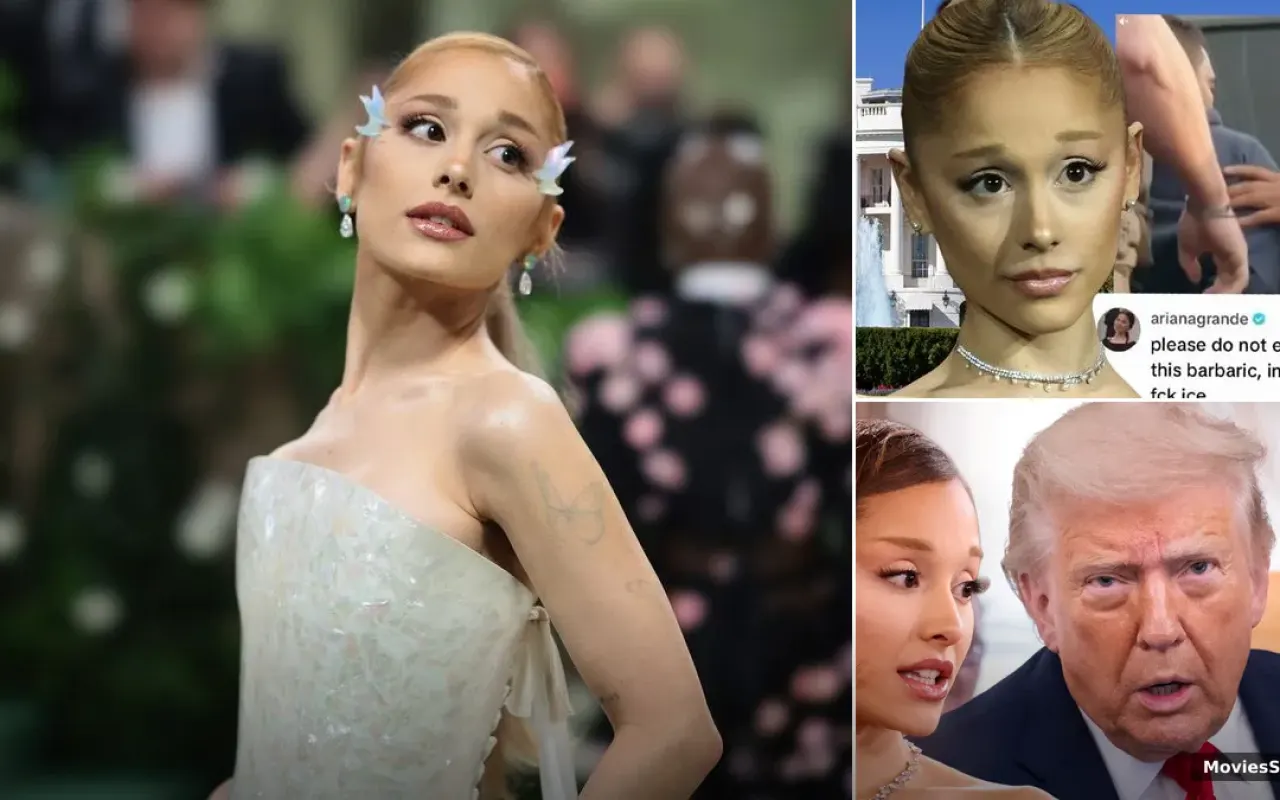
The vibe shift at 1600 Pennsylvania Avenue just hit a wall of intellectual property rights and pop-star fury. On Tuesday, the White House TikTok account decided to soundtrack a montage of Immigration and Customs Enforcement (ICE) arrests with Ariana Grande’s 2024 hit "Bye." It was a move designed for maximum engagement, but it triggered a nuclear response from the Wicked movie star that has effectively muted the administration's social media strategy.
The Ariana Grande White House ICE video controversy isn't just a celebrity spat; it’s a high-stakes collision between political "trolling" and the Digital Millennium Copyright Act (DMCA). While the White House attempted to use the "Bye-bye, boy, bye" lyrics to celebrate deportation enforcement, Grande made it clear she wants no part of the administration's "inhumane" agenda. Here is the breakdown of the receipts, the legal loopholes, and the foundation Grande launched to fight back.
The TikTok Controversy: How 'Bye' Became an ICE Soundtrack
On Tuesday, the official White House TikTok posted a video that felt less like a government update and more like a fan edit from a dark timeline. The footage featured ICE agents in tactical gear, handcuffing individuals and transporting them to detention centers. The caption? A smug "Bye-bye. President Trump has delivered the most secure border in history."
The choice of Ariana Grande Bye song TikTok audio was clearly intentional. The administration has been leaning into a "populist-pop" social media strategy, using trending hits to normalize controversial policies. This specific video comes on the heels of the Trump administration signing a massive $70bn immigration enforcement package. This funding isn't just a number; it’s fueling massive operations in states like Texas and Arizona, where border security funding has become a primary pillar of the 2025 legislative agenda.
The video quickly racked up millions of views before the TikTok audio removal. By Friday morning, the video remained on the platform, but the sound had been replaced with the dreaded "This sound isn’t available" message—a digital scarlet letter for any social media manager.
‘Barbaric, Inhumane, Heinous’: Why Ariana Grande criticized the White House ICE video
Ariana Grande criticized the White House for using her song 'Bye' in a TikTok video promoting ICE arrests, calling the content 'barbaric, inhumane, and heinous.' The singer demanded the administration stop using her music to promote immigration enforcement policies, leading to the video's audio being muted.
The Billboard Hot 100 queen didn't just send a cease and desist through her lawyers; she went straight to the comments section. "Please do not ever use my music in relation to this barbaric, inhumane, heinous nonsense. F*** ICE," Grande wrote. The comment was a lightning rod, but within hours, it was no longer publicly visible. While some suspected social media censorship by the White House, Grande’s team at Universal Music Group (UMG) confirmed the comment was real and that they were moving to have the audio stripped globally.
This isn't just about a song choice. Grande has a long Ariana Grande political activism timeline, ranging from her vocal support of Kamala Harris in 2024 to her consistent defense of trans rights. For her, seeing her "Eternal Sunshine" era aesthetic used to promote deportation enforcement was the ultimate violation of her brand's "light and love" ethos.
The White House 'Clapback': Abigail Jackson’s Statement
Instead of a quiet deletion, the White House doubled down. Spokesperson Abigail Jackson issued a statement that felt like it was written by someone who spends too much time on Stan Twitter. "We’ll say this one last time: what’s actually barbaric, inhumane, and heinous are the criminal illegal aliens who have injured and murdered innocent American citizens," Jackson told the press.
The "One Last Time" reference was a direct jab at Grande’s 2014 hit, continuing a trend of the administration "trolling" artists with their own discography. Previously, White House deputy press secretary Kush Desai used titles like "Save Your Tears" and "Get Well Soon" to dismiss Grande’s criticisms of the administration’s immigration policies. It’s a specific political social media strategy: weaponizing the artist's work to make their protest seem trivial. However, when you're dealing with the intellectual property rights of a multi-platinum artist, the law usually wins over the "clout."
Can They Do That? The Legal Reality of Music in Political Ads
The burning question in the group chat: Can the White House actually use copyrighted music without asking? The answer is a messy "maybe," but mostly "no."
TikTok Commercial Music Library for Government
Here is the catch: TikTok has a specific TikTok Commercial Music Library for government and political accounts. These accounts are generally prohibited from using mainstream hits for promotional or political purposes without a direct license from the label. While a regular user can use "Bye" for a GRWM video, a government entity using it to promote a $70bn policy package enters the territory of a political advertisement.
Fair Use vs. Right of Publicity
The White House often tries to claim fair use doctrine, arguing the music is transformative or part of a news-like update. However, IP attorneys point out that the Right of Publicity is a major hurdle. This legal concept prevents the unauthorized use of a person’s identity—including their voice and "brand vibe"—to imply an endorsement. By pairing Grande’s voice with ICE footage, the White House creates a "false association" that can lead to a cease and desist or a full-blown lawsuit.
Moral Rights: US vs. UK/EU
Interestingly, the US is one of the few Western nations with weak "moral rights" for artists. In the UK (where Grande is currently performing her Eternal Sunshine tour at the London O2 Arena on specific dates through September), artists have more power to protect the "integrity" of their work from being used in ways they find offensive. In the US, artists usually have to rely on intellectual property rights and trademark law to stop the Trump administration music copyright infringements.
A Growing Movement: Musicians Against ICE
Ariana isn't the only one on the front lines. The Ariana Grande White House ICE video is part of a larger 2025 trend where pop stars are reclaiming their narratives. The list of musicians against ICE is growing, and they aren't playing nice anymore.
- Olivia Rodrigo: In November 2025, she blasted the DHS for using "All-American Bitch" in a video encouraging "self-deportation," calling it "racist, hateful propaganda."
- Sabrina Carpenter: In December 2025, she labeled the use of her song "Juno" in an arrest video as "evil and disgusting."
- SZA: She called out the "White House rage baiting" after "Big Boys" was used in a deportation post, describing the tactic as "peak dark."
- The 20+ Club: Since 2016, over 20 major artists—including Beyoncé, Celine Dion, Jack White, and the estate of Tom Petty—have issued legal threats or public rebukes against the Trump administration for unauthorized music use.
This collective pushback is forcing a conversation about Digital Millennium Copyright Act (DMCA) political use. Will Grande file a formal lawsuit? While she hasn't yet, her team’s aggressive move to mute the audio suggests they are prepared to go the distance to protect her publicity rights.
Beyond the Music: The Brighter Days Ahead Foundation
Real talk: Ariana didn't just stop at a comment. On Friday, she officially launched the Ariana Grande Brighter Days Ahead Foundation. This isn't just a PR move; it’s a direct counter-offensive to the policies she called "barbaric."
The foundation’s primary focus is supporting the Defending Our Neighbors Fund. This fund provides critical legal representation and bond assistance to immigrants facing detention. With the administration's new $70bn budget, the "legal desert" for migrants has grown, and Grande’s foundation is aiming to bridge that gap with millions in pledged support. It’s a strategic pivot from "pop star" to "philanthropic powerhouse," ensuring her legacy is tied to the Defending Our Neighbors Fund rather than an ICE propaganda reel.
The 'Petal' Era and the 'Wicked' Marketing Shift
The timing of this controversy is wild. Grande is currently the Wicked movie star the world is watching, and she's prepping to release her eighth studio album, Petal, on July 31st. Her lead single, "Hate That I Made You Love Me," recently hit No. 1 on the Billboard Hot 100, and fans are already dissecting the lyrics as a potential protest anthem.
Some analysts wonder: Does this feud hurt the Wicked marketing? Honestly, it’s the opposite. In a fractured political landscape, Grande’s "F*** ICE" stance solidifies her main character energy with her core Gen Z and Millennial demographic. By standing her ground against the White House immigration propaganda music, she’s actually strengthening her brand's authenticity before the Petal album drop.
Key Takeaways
- The Incident: The White House used Ariana Grande’s "Bye" in a TikTok featuring ICE arrests; the audio has since been muted.
- The Response: Grande called the video "barbaric, inhumane, and heinous" and demanded the administration stop using her music.
- The Legal Angle: Political accounts face strict TikTok Commercial Music Library rules; Grande’s team likely used a DMCA takedown or license violation to pull the sound.
- The Philanthropy: Grande launched the Brighter Days Ahead Foundation to fund legal aid for immigrants through the Defending Our Neighbors Fund.
- The Context: This follows a pattern of the White House "trolling" artists like Olivia Rodrigo and Sabrina Carpenter with their own hits.
The Bottom Line
The Ariana Grande White House ICE video saga is a reminder that in 2025, a pop song is more than just a melody—it’s an asset and a political statement. The White House tried to use "Bye" as a victory lap for their deportation enforcement, but Ariana Grande turned it into a masterclass in brand protection and activism. As we head toward the Petal release on July 31st, one thing is certain: Ariana is done being a passive soundtrack to policies she hates. The audio might be muted, but her message has never been louder.