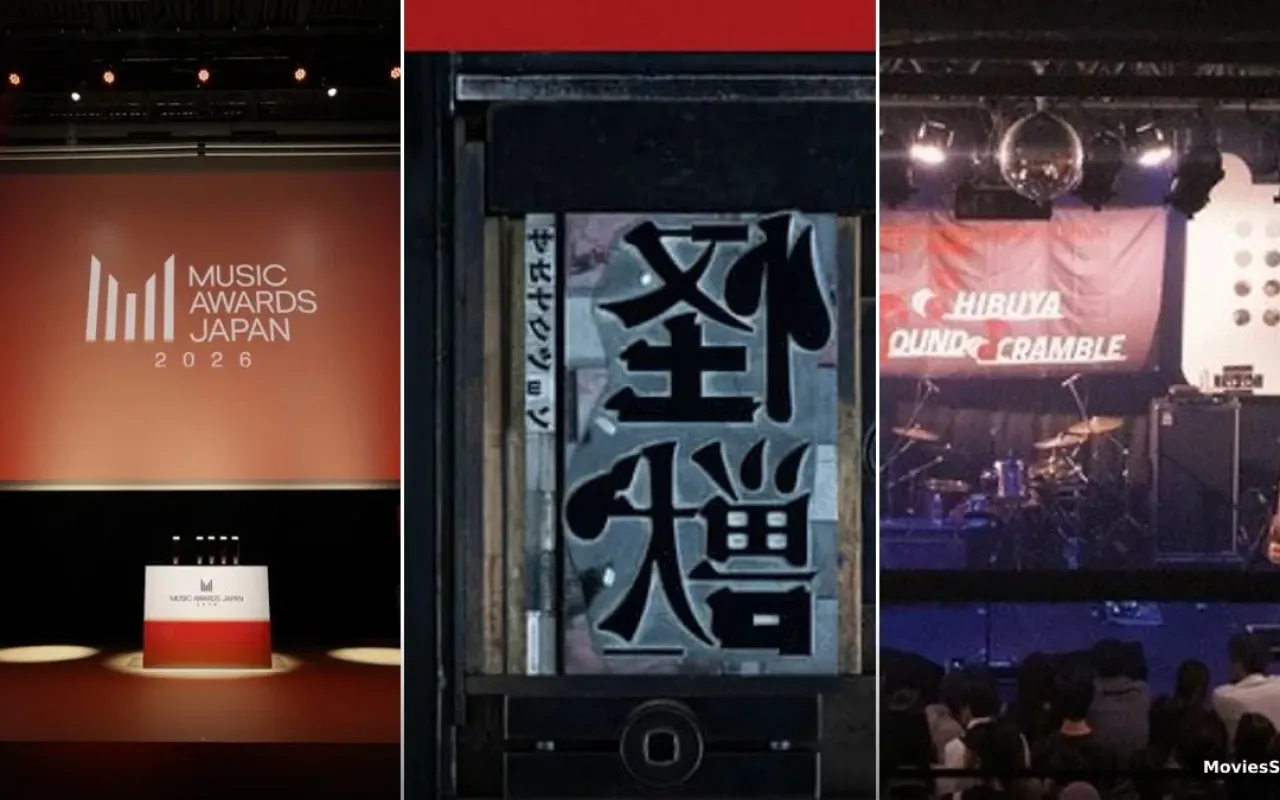
If you thought the Japanese music scene was just a local vibe, Music Awards Japan 2026 (MAJ) just proved the entire world is listening. This wasn’t just an awards show; it was a ten-day cultural takeover that turned Tokyo into the undisputed center of the musical universe. From Mrs. Green Apple pulling off a historic back-to-back Artist of the Year win to Kenshi Yonezu sweeping four different continents with a single track, the 2026 ceremony signaled a massive shift in how J-pop interacts with the global stage.
Major Winners of Music Awards Japan 2026
The Music Awards Japan 2026 Grand Ceremony, split between the massive Toyota Arena Tokyo and SGC Hall Ariake, was a masterclass in industry dominance. The biggest story of the night was undoubtedly Mrs. Green Apple. By taking home Artist of the Year for the second consecutive year, they’ve cemented their status as the definitive sound of this era. While 2025 was about their breakout saturation, 2026 was about their staying power in a market that usually moves at light speed.
Meanwhile, the Sakanaction Kaiju award sweep was the night's most celebrated "comeback" moment. Their track "Kaiju" didn't just win Music Awards Japan Song of the Year; it also secured Best Music Video, proving that the band’s high-concept, art-rock approach still hits harder than the viral TikTok trends of the week. Real talk: seeing a veteran act like Sakanaction outpace younger chart-toppers shows that the MAJ voting body isn't just looking for streams—they’re looking for craft.
Then there’s Kenshi Yonezu. His track "Iris Out" performed a literal world tour during the ceremony. Yonezu didn't just win domestically; he swept the "Best Japanese Song" category across four major regions: North America, Europe, Asia, and Latin America. This level of international saturation is unprecedented, even for the man who gave us "Lemon."
Who won Music Awards Japan 2026?
| Category | Winner | Work |
|---|---|---|
| Artist of the Year | Mrs. Green Apple | N/A |
| Song of the Year | Sakanaction | "Kaiju" |
| Best Music Video | Sakanaction | "Kaiju" |
| International Sweep | Kenshi Yonezu | "Iris Out" |
| MAJ Timeless Echo | Tatsuro Yamashita | N/A |
The Full MAJ 2026 Winners List (70+ Categories)
While the Grand Ceremony gets the TV time, the real depth of the Music Awards Japan 2026 winners list lies in its 70+ specialized categories. This isn't like other awards where "Pop" covers everything. MAJ breaks it down into the actual subcultures that drive the industry. Here’s a breakdown of how the industry shifted between 2025 and 2026.
- Vocaloid Culture Award: This category has evolved from a niche interest to a primary industry driver. The 2026 criteria focused heavily on "cross-platform resonance," looking at how producers used software to influence mainstream chart positions.
- Idol Culture: Unlike last year’s focus on soloists, 2026 saw a return to group dominance, with MISAMO and FRUITS ZIPPER taking major honors for their choreography and fan engagement metrics.
- Anime Song of the Year: While YOASOBI’s "Idol" dominated 2025, the 2026 winner reflected a move toward more alternative, rock-heavy compositions that mirrored the darker themes of recent flagship anime.
- The MAJ Timeless Echo Award: This went to the legendary Tatsuro Yamashita. If you’ve ever listened to City Pop, you’ve listened to him. This award recognizes long-term excellence and contribution to the "Japanese sound" that is currently trending globally.
The "Vocaloid Culture" awards are particularly interesting because they don't just look at the music. They look at the "ecosystem"—the illustrators, the programmers, and the community-driven remixes. To win, an artist must prove they didn't just release a song, but started a digital movement. This is a huge differentiator from the Japan Record Awards, which often feel more traditional and legacy-focused.
Music Awards Japan Week: Cultural Highlights
The Music Awards Japan Week events transformed Tokyo into a 10-day festival. The goal was clearly to show that Japanese music isn't a monolith. One of the most talked-about events was "The Successor," a hip-hop tribute at Zepp DiverCity. Produced by legends like ZEEBRA and Kan Takagi alongside new-gen star YZERR, it tracked 40 years of Japanese rap. It wasn't a nostalgia trip; it was a baton-passing ceremony featuring T-Pablow, PUNPEE, and ¥ellow Bucks.
Another major pillar was the Eiichi Ohtaki tribute. Named the "Symbol of Music Awards Japan 2026" (following YMO in 2025), Ohtaki’s legacy was celebrated at SGC Hall Ariake. The wild part? Ohtaki "performed" via archival vocal recordings, backed by a live band of his former collaborators. It’s a testament to how much CEIPA (the organizing body) values the "City Pop" DNA that is currently fueling Japan's global streaming numbers.
We also saw a major push for gender equity with the Billboard Japan and Spotify "Women in Music — EQUAL STAGE" event. Featuring ATARASHII GAKKO!, Awich, and Hitsujibungaku, the show was less about corporate "synergy" and more about the raw power of female artists who are currently out-charting their male counterparts in the indie and alternative scenes.
Regional Spotlight: The Rise of Asian Talent at MAJ
This year, MAJ leaned heavily into its "Music Awards Japan" name by looking outside of Japan. The Premiere Ceremony at SGC Hall Ariake was a "melting pot" of Asian talent. We saw Indonesian superstar Hindia and Filipino indie-rockers Cup of Joe sharing the stage with Japanese icons like Hiromi Uehara and STUTS.
The Sam Smith Japan performance was the undisputed peak of the international crossover. As the first-ever overseas guest performer at the Grand Ceremony, Smith’s inclusion signals that MAJ wants to be the "Grammys of Asia." It’s a strategic move to increase the global prestige of the ceremony, and it seems to be working—YouTube live stream numbers for the event reportedly shattered previous records, with a massive influx of viewers from Southeast Asia and North America.
The Shibuya Sound Scramble also served as a "Song Bridge," where Cup of Joe and Hindia performed in Tagalog and Bahasa, respectively. Vocalist Gian Bernardino of Cup of Joe noted that the goal was to "break language barriers," and seeing a Japanese crowd sing along to OPM (Original Pilipino Music) suggests the barrier is already crumbling.
Behind the Scenes: How the MAJ Winners are Chosen
One of the most common questions is: Is Music Awards Japan the same as the Japan Record Awards? The short answer is no. While the Record Awards have decades of history, the MAJ 2026 voting criteria are designed for the streaming era. The winners are determined by a massive pool of 5,000 music industry professionals from both Japan and abroad.
These voters aren't just suits in boardrooms. They include:
- Digital platform curators (Spotify, Apple Music)
- International festival bookers
- Music journalists and critics
- Technical producers and engineers
This diverse demographic explains why someone like Kenshi Yonezu can sweep international categories. The voting pool includes people who actually see the data on what’s playing in clubs in Paris or being streamed in Los Angeles. To be nominated for the SYMBOL award, an artist or group must have a legacy that transcends a single hit—it requires a "tectonic" shift in the industry's sound, which is why Eiichi Ohtaki was the clear choice for 2026.
The economic impact of MAJ Week is also starting to surface. Tokyo hotels reported a significant spike in "music tourism," with fans traveling from across the APAC region to attend the 10-day stretch of events. With ticket prices for MAJ Week events ranging from accessible club sets to premium arena seats, the festival has become a major revenue driver for the city's nightlife and hospitality sectors.
Key Takeaways
- Mrs. Green Apple is officially the "Final Boss" of J-pop, securing their second consecutive Artist of the Year win.
- Sakanaction proved that high-concept rock still wins big, taking home Song of the Year for "Kaiju."
- Kenshi Yonezu is Japan's biggest export, sweeping four international regional categories with "Iris Out."
- The Music Awards Japan Week events, like the Eiichi Ohtaki tribute and Shibuya Sound Scramble, are becoming as important as the ceremony itself.
- MAJ is successfully positioning itself as a regional hub for Asian music, featuring prominent artists from the Philippines and Indonesia.
- The voting process involves 5,000 professionals, ensuring the results reflect both commercial success and critical acclaim.
Looking ahead to 2027, the trajectory of the Music Awards Japan suggests even more international integration. With rumors of the ceremony potentially hosting "satellite" stages in other Asian capitals, the "Japan" in its name might soon refer to the origin of the movement rather than the boundary of the event. For now, 2026 stands as the year J-pop stopped asking for a seat at the global table and just built its own.