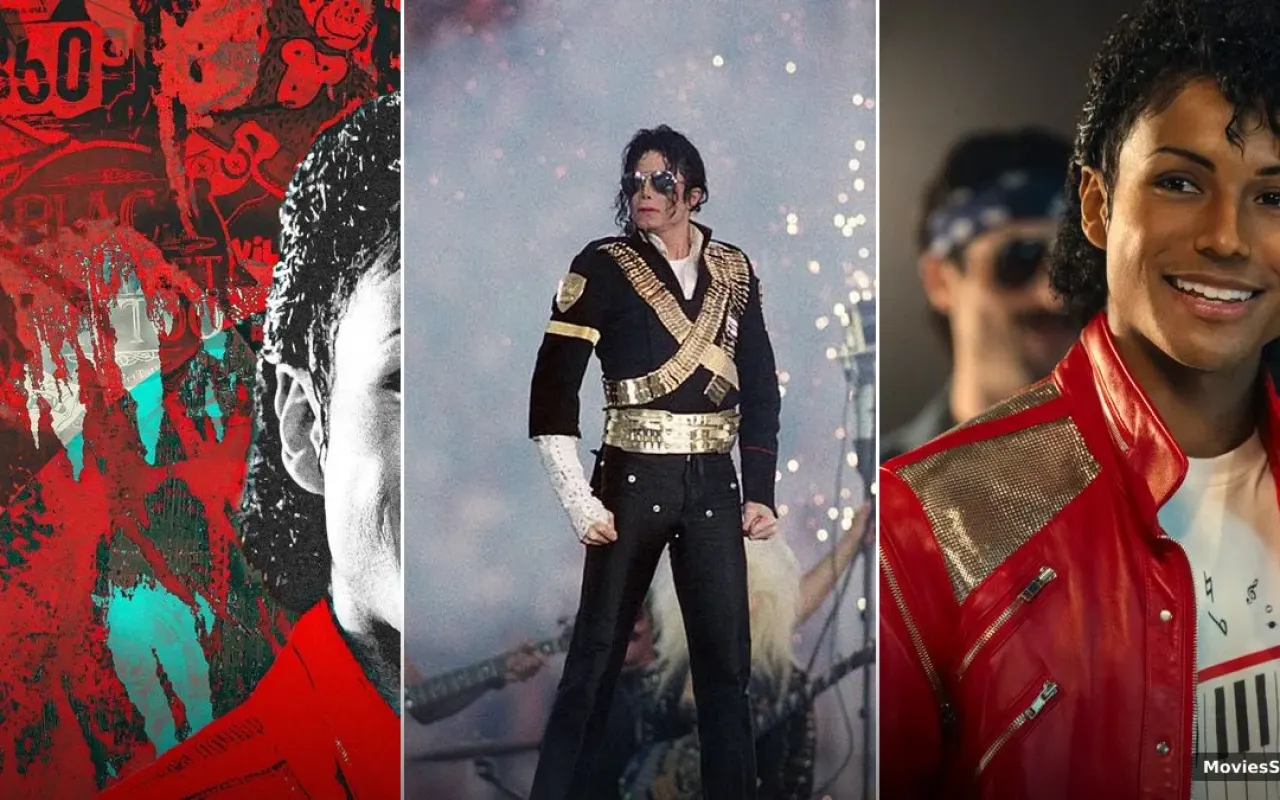
The cinematic arrival of Michael, the $200 million production chronicling the life of the King of Pop, has triggered a Michael Jackson biopic controversy that extends far beyond the silver screen. While the film has shattered box office expectations for musical biopics, its journey from script to screen was marred by a high-stakes legal ambush that forced a total structural overhaul. Directed by Antoine Fuqua and produced by Graham King, the film was intended to be a definitive portrait, yet it ultimately stops its narrative in 1988, leaving the most tumultuous decades of Jackson’s life on the cutting room floor.
Why Did the Michael Movie Have Reshoots?
The Michael Jackson biopic 'Michael' underwent $15 million in reshoots after producers discovered a legal clause in the 1994 Jordan Chandler settlement. This clause reportedly prohibited the commercial depiction of the 1993 abuse allegations, forcing director Antoine Fuqua to scrap the film's original third act and end the narrative in 1988.
The 1988 Cutoff: The Michael Movie Ending Explained
One of the most jarring aspects for viewers is the Michael movie vs real life timeline. The film concludes with the triumphant finale of the Bad World Tour in 1988, followed by a title card stating, "HIS STORY CONTINUES..." This abrupt ending was not the original plan. Initial drafts of the script by John Logan included a framing device set in 1993, specifically focusing on the Neverland Ranch FBI raid and the subsequent strip search of the singer.
By ending in 1988, the Antoine Fuqua MJ movie effectively bypasses the most polarizing chapters of Jackson's life: the 1993 and 2005 allegations, his marriages to Lisa Marie Presley and Debbie Rowe, and the Leaving Neverland documentary fallout. Critics have labeled this a "hagiography," suggesting the film serves as a $200 million exercise in biopic myth-making. However, the production team argues that the film’s focus is on the "making of Michael"—the evolution of a child prodigy into a global icon—rather than a courtroom drama.
- The Bad Tour Peak: The film uses the 1988 Wembley Stadium performance as its emotional climax.
- The Omission: All references to the 1993 civil suit and the 2005 criminal trial were removed.
- The Sequel Tease: Actor Colman Domingo has hinted that a "Part Two" could eventually address the later years, though no official plans are in place.
The $15 Million Michael Movie Reshoots: The Jordan Chandler Settlement Clause
The primary driver behind the Michael movie reshoots was a late-stage legal discovery involving the Jordan Chandler settlement clause. In 1994, Michael Jackson settled a civil lawsuit with the Chandler family for an estimated $25 million. During the 2024 production phase, the Jackson Estate’s legal team, led by John Branca, realized that the terms of that 1994 agreement—negotiated by legendary attorneys Johnnie Cochran and Howard Weitzman—contained a "non-commercialization" trigger.
This clause reportedly forbade any party from profiting from a dramatized depiction of the 1993 allegations. Including these scenes would have opened the Estate to massive litigation and potentially blocked the film’s distribution. Consequently, Fuqua was forced into a grueling three-week reshoot period in late 2024 to pivot the story. The Michael movie deleted scenes FBI raid footage, which Fuqua described as showing Jackson "treated like an animal," remains locked in a vault, likely never to see the light of day unless a "Director’s Cut" is eventually negotiated.
"I shot him being stripped naked, treated like an animal, a monster. But the legalities of the settlement made it impossible to keep in a commercial venture." — Antoine Fuqua, Director
Fact vs. Fiction: How Accurate is the Portrayal of Joe Jackson?
The film’s portrayal of the Jackson family patriarch, Joe Jackson, played by Oscar-nominee Colman Domingo, has sparked intense debate among historians and child protection advocates. While the film does not shy away from Joe’s physical discipline—showing him whipping a young Michael (Juliano Valdi) in front of his siblings—some argue the violence is "soft-focused" to fit a redemption narrative.
The Pepsi Commercial Burn: A pivotal scene depicts the 1984 Pepsi commercial burn. The film accurately captures the pyrotechnic failure that left Jackson with second and third-degree burns on his scalp. However, it frames this trauma as the definitive turning point for his subsequent struggles with pain medication and cosmetic surgery, a narrative that medical historians suggest is an oversimplification of his lifelong body dysmorphia.
The Johnnie Cochran Role: While Johnnie Cochran is best known for the 1995 O.J. Simpson trial, his role in the Johnnie Cochran Michael Jackson settlement of 1994 was crucial. The film largely omits Cochran, focusing instead on John Branca (Miles Teller) as the primary architect of Jackson's business empire. This omission is seen by some as an attempt to distance the film from the "legal fixer" image of the 90s.
Jaafar Jackson Review: A New Standard for Musical Biopics?
The casting of Jaafar Jackson, Michael’s real-life nephew and son of Jermaine Jackson, has been widely praised as the film’s saving grace. In any Jaafar Jackson review, the focus inevitably turns to his uncanny mimicry of his uncle’s "essence" rather than just a caricature.
Jaafar Jackson Vocal Blending Technique
One of the film’s most impressive technical feats is the Jaafar Jackson vocal blending technique. To achieve the most authentic sound, the production used a sophisticated mix of audio tracks:
- Early Years: Jaafar provided most of the vocals for the scenes set in the late 70s and early 80s.
- The Hits: For iconic tracks like "Billie Jean" and "Thriller," the film uses Michael Jackson’s original master recordings, subtly blended with Jaafar’s live breathing and vocal tics.
- The "Foot-Focus" Choreography: To replicate the Victory Tour and Bad Tour movements, the production employed a "foot-focus" camera technique, emphasizing the precision of the moonwalk and toe-stands that professional MJ impersonators say is the hardest to master.
Technical Gaps: CGI Bubbles, Choreography, and the $200M Budget
When comparing Michael to other recent blockbusters like Elvis ($85M budget) or Oppenheimer ($100M budget), the $200 million price tag is evident in the production design. However, not all technical aspects have been met with acclaim.
The CGI Bubbles Controversy: A significant point of contention is the depiction of Bubbles, Michael’s pet chimpanzee. Unlike the real-life Bubbles, the film uses a CGI version that many critics find unsettling. Technical analysts have compared the "Gollum-like" bulging eyes of the digital chimp to the "uncanny valley" effect, arguing that it distracts from the emotional weight of the Neverland scenes.
The Victory Tour Setlist: Fans of the 1984 Victory Tour will notice a meticulously recreated setlist. The film features high-energy sequences of:
- "Wanna Be Startin' Somethin'"
- "Things I Do For You"
- "Off the Wall"
- "Shake Your Body (Down to the Ground)"
The Armband Symbolism: Fashion historians have noted the film's attention to the "armband" Jackson frequently wore on his right sleeve. In the movie, it is portrayed as a symbol of mourning for suffering children worldwide—a detail that child protection advocates have scrutinized, given the context of the allegations that the film chooses to omit.
The Industry Impact: Whitewashing or Legacy Protection?
The Michael Jackson biopic controversy ultimately boils down to a conflict between two perspectives. On one side, the Jackson Estate and fans view the film as a necessary reclaiming of the narrative from "tabloid junkies." On the other, critics and the makers of the Leaving Neverland documentary see it as a dangerous whitewashing of history.
The film’s massive success suggests that the general public may be ready to separate the art from the artist, or at least prioritize the "magic" of the music over the darkness of the allegations. However, the legal maneuverings involving the Jordan Chandler settlement clause serve as a reminder that the "official" version of history is often dictated by those with the resources to litigate it.
Key Takeaways
- Timeline: The film concludes in 1988, purposely avoiding the 1993 and 2005 legal battles.
- Legal Hurdles: A 1994 settlement clause prohibited the commercial use of specific abuse allegations, necessitating $15M in reshoots.
- Performance: Jaafar Jackson’s portrayal is technically superior to previous biopics, utilizing a complex vocal blending technique.
- The Estate's Hand: The involvement of John Branca and Graham King ensured the film serves as a protective monument to Jackson’s legacy.
- Missing Content: Scenes of the FBI raid and the 1993 strip search were filmed but deleted for legal reasons.
Conclusion: A Legacy in Limbo
As Michael continues to dominate the global box office, the conversation around Michael Jackson remains as fractured as ever. The film succeeds as a spectacular musical experience, capturing the unparalleled electricity of the King of Pop’s prime. Yet, by stopping the clock in 1988, it leaves the most difficult questions unanswered. Whether this film is the first chapter of a larger cinematic universe or a final, polished seal on a complicated legacy remains to be seen. What is certain is that while the music continues to play, the shadow of the man in the mirror remains just out of frame.